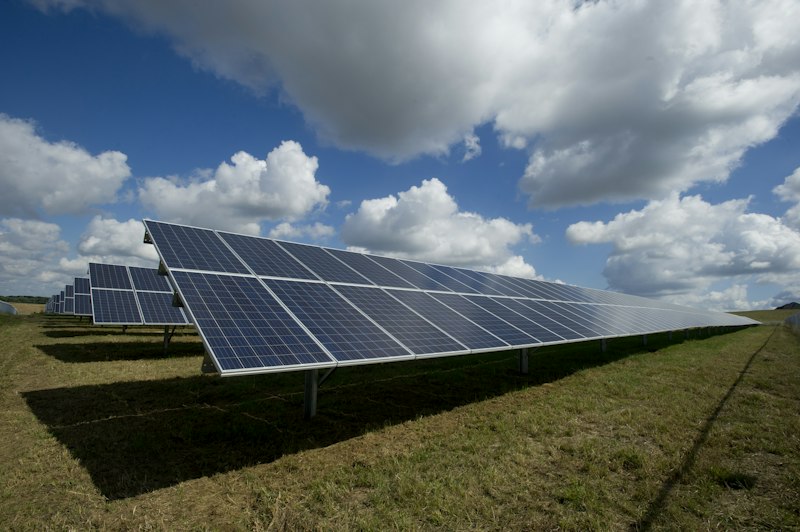
Energy is one of the largest operating costs for manufacturers, and energy reliability is essential for defense production. The push for American energy independence—through both traditional and renewable sources—is creating opportunities for manufacturers to reduce costs, improve resilience, and access new incentives.
Why Energy Matters for Defense Manufacturing
Cost Impact
Energy represents 5-15% of manufacturing operating costsEnergy-intensive processes (smelting, heat treating, machining) can be 20-30%Energy price volatility creates budgeting challenges for fixed-price contractsCompetitive energy costs are essential for reshoring viability
Reliability Requirements
Defense production cannot tolerate unplanned outagesMany processes require continuous power (furnaces, clean rooms)Data centers and cybersecurity systems need uninterrupted powerQuality can be compromised by power fluctuations
National Security Dimension
Energy infrastructure is a potential target for adversariesGrid vulnerabilities affect defense production capacityEnergy independence reduces geopolitical leverage by adversariesMilitary installations increasingly require energy resilience
Energy Strategies for Manufacturers
1. On-Site Solar
Benefits:
Reduce electricity costs by 20-40%Lock in energy prices for 25+ yearsFederal Investment Tax Credit (ITC): 30%Accelerated depreciation (MACRS)Potential revenue from excess generation
Considerations:
Roof or ground space requirementsUpfront investment ($100,000-$500,000 for typical manufacturer)Power purchase agreements (PPAs) eliminate upfront costBattery storage adds resilience
2. Combined Heat and Power (CHP)
Benefits:
60-80% overall energy efficiency (vs. 33% for grid electricity)Reduced energy costsBackup power capabilityReduced emissionsQualifies for federal and state incentives
Best for: Manufacturers with significant heating needs
3. Battery Energy Storage
Benefits:
Peak demand reduction (lower utility bills)Backup power for critical operationsIntegration with solar for 24/7 clean energyGrid services revenue potentialITC: 30% federal tax credit
4. Energy Efficiency Upgrades
Quick wins:
LED lighting (50-70% reduction in lighting costs)Variable frequency drives on motors (20-30% savings)Compressed air system optimization (20-50% savings)HVAC upgrades and controlsInsulation and building envelope improvements
ROI: Most efficiency upgrades pay back in 1-3 years
5. Microgrids
Benefits:
Energy independence from the gridResilience against outages and attacksIntegration of multiple energy sourcesPotential for islanding during emergenciesAligned with DoD installation energy goals
Best for: Critical defense manufacturers requiring maximum reliability
Federal Incentives for Manufacturing Energy
Inflation Reduction Act (IRA)
Investment Tax Credit (ITC): — 30% for solar, storage, and other clean energyProduction Tax Credit (PTC): — Per-kWh credit for energy generationAdvanced Manufacturing Production Credit (45X): — For clean energy componentsEnergy Efficient Commercial Buildings Deduction (179D): — Up to $5/sq ft
DOE Programs
Industrial Assessment Centers: — Free energy audits for small manufacturersBetter Plants Program: — Technical assistance for energy efficiencyIndustrial Efficiency and Decarbonization grantsLoan Programs Office: — Financing for large energy projects
State and Utility Programs
State renewable energy incentivesUtility rebate programs for efficiency upgradesNet metering for on-site generationDemand response program payments
The Defense Connection
DoD Energy Goals
The DoD is the largest energy consumer in the federal government and has aggressive energy goals:
Renewable energy — on military installationsMicrogrids — for energy resilienceEnergy-efficient equipment — in procurementAlternative fuels — for vehicles and aircraft
Opportunities for Manufacturers
Supply renewable energy equipment to military installationsManufacture energy storage systems for defense applicationsProduce energy-efficient components for military systemsProvide energy management services to defense facilitiesDevelop microgrid technology for forward operating bases
Competitive Advantage
Manufacturers with strong energy strategies can:
Offer lower prices due to reduced energy costsDemonstrate sustainability commitment in proposalsMeet growing ESG requirements from prime contractorsEnsure production continuity through energy resilienceAccess energy-related contract opportunities
Getting Started
Conduct an energy audit (free through DOE Industrial Assessment Centers)Implement quick-win efficiency measures (LED, VFDs, compressed air)Evaluate solar and storage for your facilityApply for available incentives (ITC, state programs, utility rebates)Develop an energy resilience plan for critical operationsIntegrate energy strategy into your business development approach
Conclusion
Energy independence isn't just about saving money—it's about manufacturing resilience, competitiveness, and national security. Manufacturers who invest in energy efficiency and on-site generation will have lower costs, greater reliability, and a compelling story to tell defense buyers. The incentives have never been better, and the technology has never been more accessible.
Ready to Take the Next Step?
Whether you're a small manufacturer seeking defense contracts, a government buyer looking for qualified suppliers, or a business owner pursuing CMMC certification, KDM & Associates and the KDM Consortium are here to help.
Join the KDM Consortium Platform today:
Schedule a free introductory session to learn how we can accelerate your path to government contracting success.
Whether you're a small manufacturer seeking defense contracts, a government buyer looking for qualified suppliers, or a business owner pursuing CMMC certification, KDM & Associates and the V+KDM Consortium are here to help.
Join the KDM Consortium Platform today:
[Register as a Supplier (SME)](/register?type=sme) — Get matched with government contract opportunities, access capacity-building resources, and connect with prime contractors.[Register as a Government Buyer](/register?type=buyer) — Discover qualified, defense-ready small businesses and streamline your procurement process.
*Schedule a free introductory session to learn how we can accelerate your path to government contracting success.*